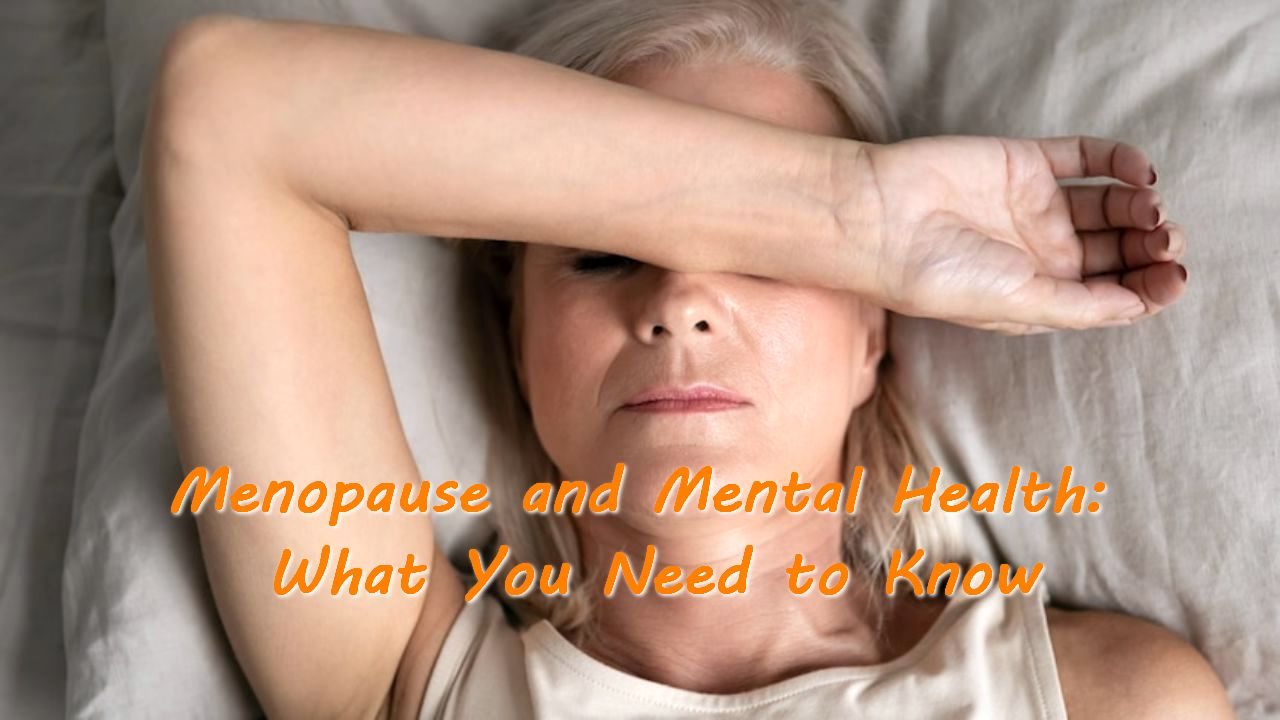
Menopause is a significant life stage for women, often accompanied by various physical and emotional changes. While most discussions around menopause focus on hot flashes, night sweats, and other physical symptoms, its impact on mental health is equally important.
The Connection Between Menopause and Mental Health
Menopause signifies the end of a woman’s reproductive years and usually occurs in her late 40s to early 50s. During this transition, the body undergoes hormonal changes, particularly a decrease in estrogen and progesterone. These hormonal fluctuations can influence mood and overall mental well-being. Some women experience mood swings, anxiety, and depression, which can be as disruptive as the physical symptoms of menopause. Recognizing this connection is the first step toward addressing mental health concerns during this period and resorting to menopause counseling.
Common Mental Health Symptoms During Menopause

Several mental health symptoms are frequently reported during menopause. Mood swings are among the most common, with many women feeling irritable or experiencing sudden bouts of sadness. Anxiety is another prevalent issue, often characterized by feelings of nervousness, worry, or unease. Some women also report experiencing depression, which can manifest as persistent sadness, loss of interest in activities, and fatigue. Memory problems and difficulties with concentration, often referred to as “brain fog,” are also common during menopause. For those struggling with these symptoms, seeking help from services like Luna Joy counseling can provide valuable support and strategies for managing mental health.
Strategies to Manage Mental Health During Menopause
There are several strategies women can use to manage their mental health during menopause. Regular exercise is highly beneficial, as it can boost mood, improve sleep, and reduce stress. A healthy diet rich in fruits, vegetables, and whole grains can also support overall well-being. Mindfulness practices, such as meditation and yoga, help in managing stress and promoting relaxation. Seeking support from friends, family, or support groups can provide emotional comfort and practical advice. Additionally, professional help from therapists or counselors can be invaluable for those struggling with more severe mental health issues.
The Role of Hormone Replacement Therapy

Hormone Replacement Therapy (HRT) can effectively relieve both physical and mental symptoms of menopause. It involves taking medications that contain female hormones to replace those the body stops producing after menopause. This therapy can help reduce mood swings, anxiety, and depression in some women. However, HRT is not suitable for everyone and may carry certain risks, so it’s important to discuss it thoroughly with a healthcare provider to determine if it is the right option.
Seeking Professional Help
If menopause-related mental health issues become overwhelming, seeking professional help is essential. A healthcare provider can assess symptoms and recommend appropriate treatments, which may include counseling, therapy, or medication. Cognitive Behavioral Therapy (CBT), for instance, is particularly effective for treating anxiety and depression. Medications such as antidepressants or anti-anxiety drugs may also be prescribed if necessary. Early intervention and professional support can significantly improve the quality of life during menopause.
Menopause can be a challenging time for many women, but understanding its impact on mental health and knowing the available resources can make a significant difference.
Leave a Reply