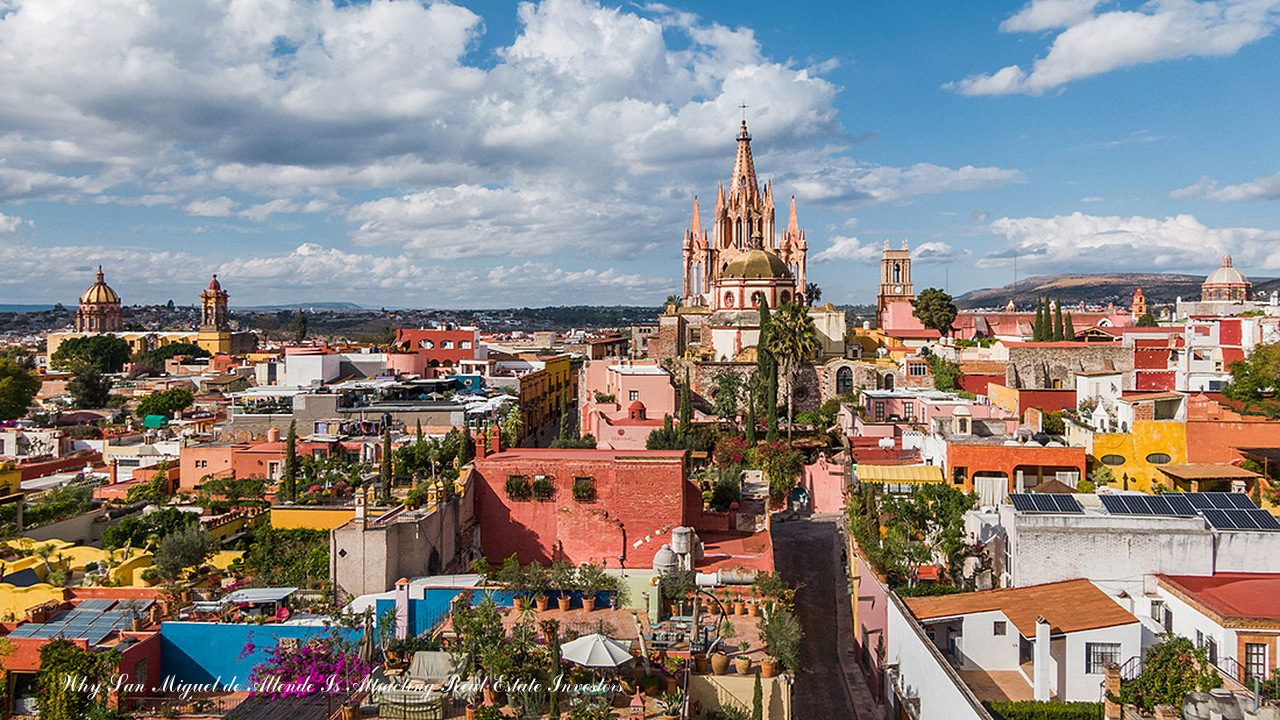
If you spend even a few minutes on bhhscolonialhomessanmiguel.com, the appeal becomes clear fast. San Miguel de Allende draws people in with beauty, history, and polish, yet investors are looking at more than charm. They see a city with global recognition, durable buyer interest, and a built environment that feels hard to replicate anywhere else in Mexico.
That mix matters. UNESCO recognizes San Miguel de Allende for its historic urban form and architecture, Travel + Leisure readers ranked it the No. 1 city in the world in 2024 and again in 2025, and official tourism materials continue to position it as a center for art, culture, cuisine, and romance. For investors, that creates a rare setup: a lifestyle market with international visibility and lasting emotional pull.
A Global Reputation Keeps Demand in Motion
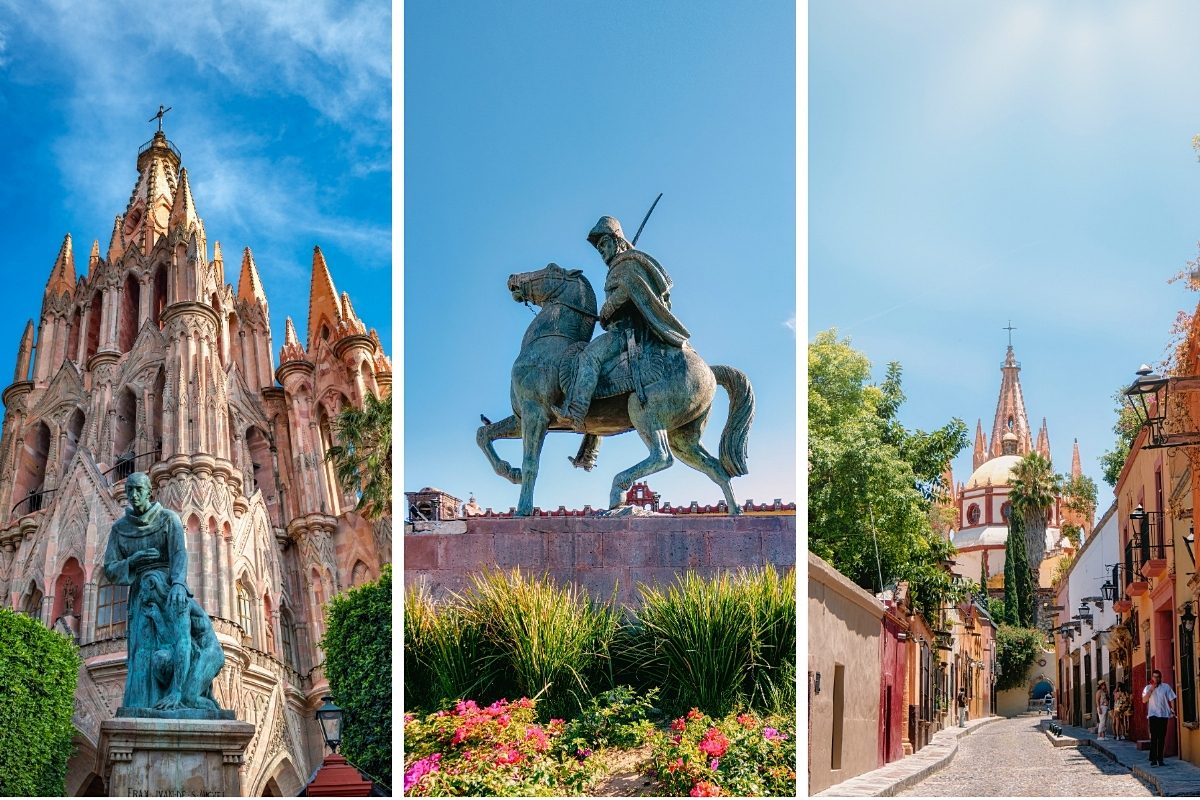
Real estate performs better when a city already has a strong story in the minds of buyers and visitors. San Miguel has that advantage. Travel + Leisure named it the top city in the world in 2024 and again in 2025, and also placed it first among Mexican cities in 2025. Those rankings matter because they reinforce attention from affluent travelers, second-home buyers, and investors who often begin with a destination they already trust.
The city’s heritage status strengthens that reputation. UNESCO describes San Miguel de Allende as an early example of urban development in the Americas and highlights its cultural interchange, large urban mansions, and cohesive architectural character. In practical terms, investors are buying into a place with international brand value already built in. That can support long-term desirability in a way generic resort inventory rarely does.
Scarcity Gives the Core Market Real Weight
The historic center of San Miguel does not feel easy to duplicate because it is not easy to duplicate. UNESCO points to a 16th-century urban layout, a homogeneous urban setting, and unusually large and richly detailed mansions for a city of its size. That kind of physical identity creates natural scarcity, especially in the most sought-after streets, courtyards, and view corridors.
Scarcity changes the investor math. In many markets, new supply can blur the line between prime property and ordinary inventory. In San Miguel, prime homes often carry qualities that new construction cannot fully reproduce, such as historic facades, established locations, mature streetscapes, and a direct link to the city’s cultural image. That does not guarantee easy profits, yet it does help explain why serious buyers continue to pay a premium for the right address.
Tourism Creates More Than Short-Term Buzz
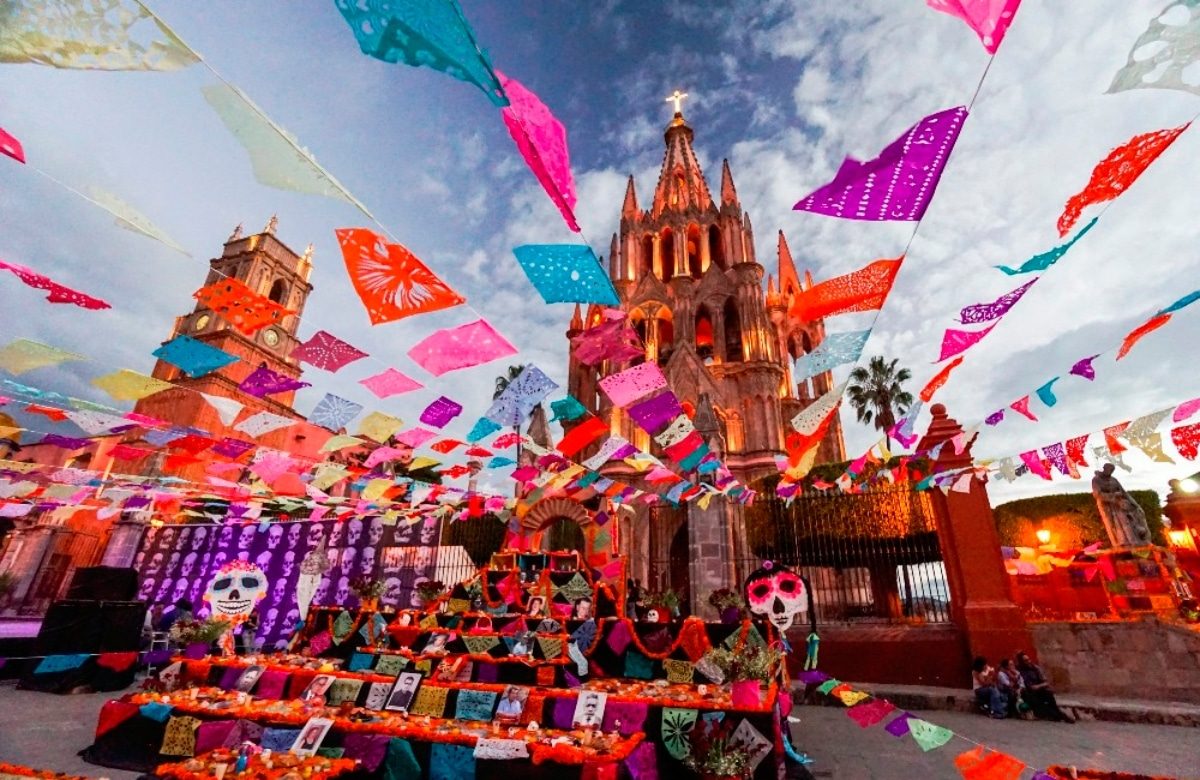
Investor interest grows when tourism looks durable rather than trendy. San Miguel’s official tourism platform highlights art, gastronomy, hotels, weddings, vineyards, and cultural appeal, while Travel + Leisure readers praise the city’s museums, gardens, shopping, walkability, and value. That range matters because it spreads demand across more than one type of visitor. Some arrive for long weekends. Others return often, rent longer, or start looking for a home of their own.
Access also helps. The city’s tourism site says Querétaro Airport is about an hour away and León Airport about an hour and a half away, with domestic and U.S. connections listed through both. Travel + Leisure also describes San Miguel as an easy first interior-Mexico destination for many international visitors. For investors, that means demand is supported by practical access, not only by pretty photos and social media appeal.
The Buyer Base Is Broader Than Many People Assume
San Miguel attracts more than vacation-home shoppers. Data México reports a 2020 population of 174,615, up 8.87% from 2010, and shows migration into the municipality from the United States, Colombia, and Canada in recent years. It also notes that people moved there for family, living place, and labor reasons. That signals a market shaped by lifestyle relocation and day-to-day living, not only tourism.
That broader base gives investors more exit paths. A property may appeal to a retiree, a remote professional, a seasonal resident, or a buyer who first discovered the city as a traveler. Travel + Leisure has also pointed to the city’s pull for creatives, food lovers, and romantics from around the world, along with the fact that English is widely spoken for many first-time visitors. The result is a market with both emotional appeal and practical usability.
The Inland Ownership Structure Helps Foreign Investors
One reason San Miguel stands out for international buyers is legal geography. Mexico’s Foreign Ministry states that foreigners may directly own land outside the constitutional restricted zone, which covers areas within 100 kilometers of borders and 50 kilometers of coastlines. Since San Miguel de Allende sits inland in central Mexico, buyers looking there are generally dealing with a simpler ownership setup than they would in many beach markets that require a fideicomiso structure. That difference can make the market feel more approachable.
That does not remove the need for discipline. Investors still need strong local representation, title review, clear closing costs, and a realistic plan for use, management, and resale. Even so, the inland structure remains part of San Miguel’s appeal because it lowers one layer of friction for foreign purchasers comparing locations across Mexico. In competitive markets, fewer complications can widen the buyer pool.
Livability and Economic Depth Support Longer-Term Confidence
Cities that rely on one narrow source of demand can feel fragile. San Miguel shows more depth than many outsiders expect. Data México reports international sales of US$362 million in 2024, international purchases of US$270 million, and one industrial park in 2022. Those figures do not turn the city into an industrial powerhouse, yet they do show that the local economy is not driven by tourism alone.
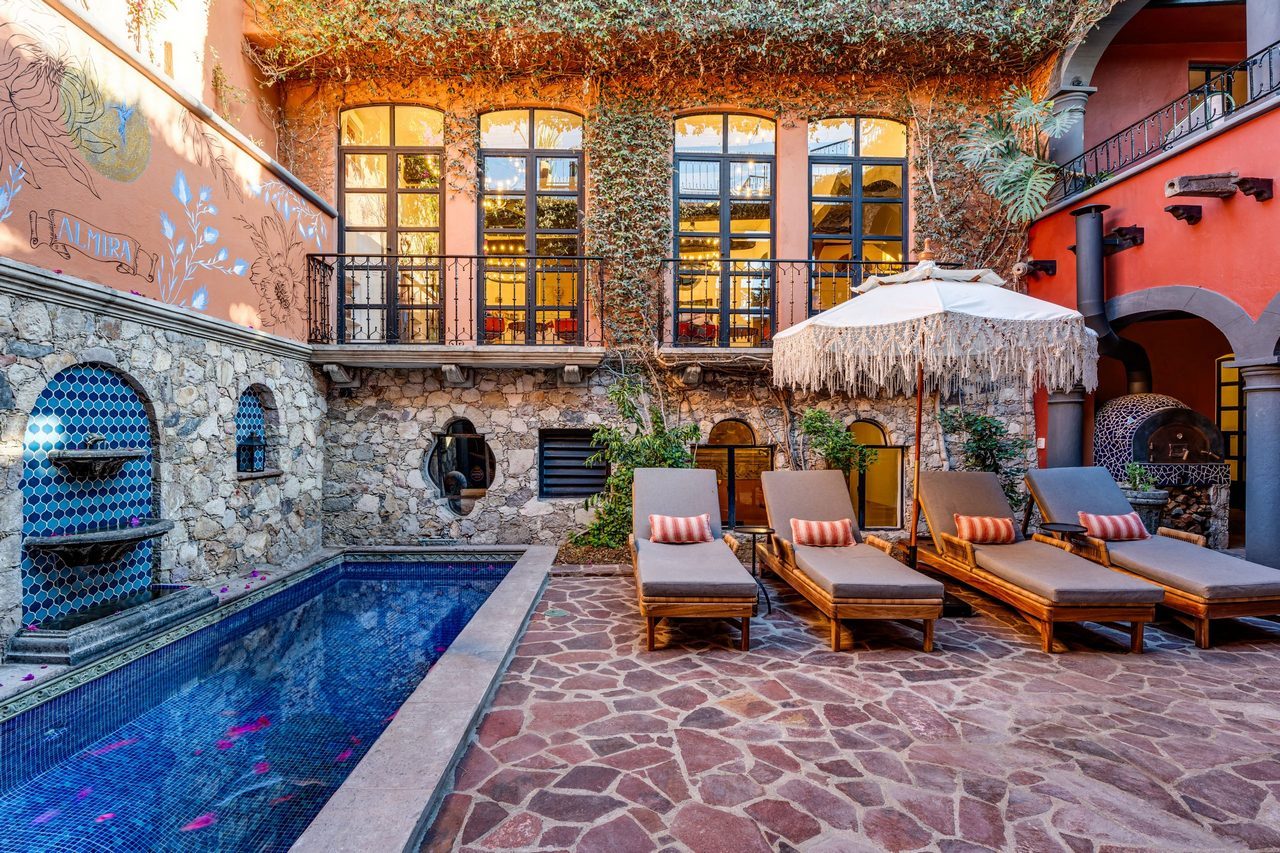
Daily livability adds another layer of strength. Data México reports an average commute of 26.5 minutes, with most residents traveling less than an hour to work, while the tourism authority continues to market the city around culture, food, and hospitality. For investors, that combination matters. The strongest properties in San Miguel often sit at the intersection of beauty, livability, and consistent buyer desire. That is why the city keeps drawing capital from people who want more than a speculative flip. They want an asset in a place people genuinely want to live in, return to, and hold onto.
Leave a Reply