
Photography, once merely a tool for documentation, has transformed into a respected art form over the years. This journey from mechanical reproduction to creative expression showcases society’s evolving perspectives towards visual media. Let’s explore how photography carved its niche in the world of art.
The Birth of Photography

Photography began in the early 19th century with the invention of the daguerreotype. Initially, it served as a practical means to capture reality more accurately than painting. Early photographers like Louis Daguerre and Henry Fox Talbot focused on refining the technical aspects of the medium. Their work laid the groundwork for photography, but it was primarily viewed as a scientific achievement rather than an artistic endeavor. Today, photography is in every aspect of our lives—from real estate to beauty. So whether you want to sell your house or garage, photo editing services are not a problem. For more info, visit this website by clicking a link.
Aesthetic Values
As the technical challenges of photography were addressed, photographers started to experiment with composition, lighting, and subject matter. By the late 19th century, figures like Julia Margaret Cameron and Alfred Stieglitz began to advocate for photography as an art form. They emphasized the importance of vision and creativity, moving away from purely documentary purposes. This shift allowed photographers to express their perspectives and emotions, much like painters and sculptors.
The Influence of Modern Art Movements
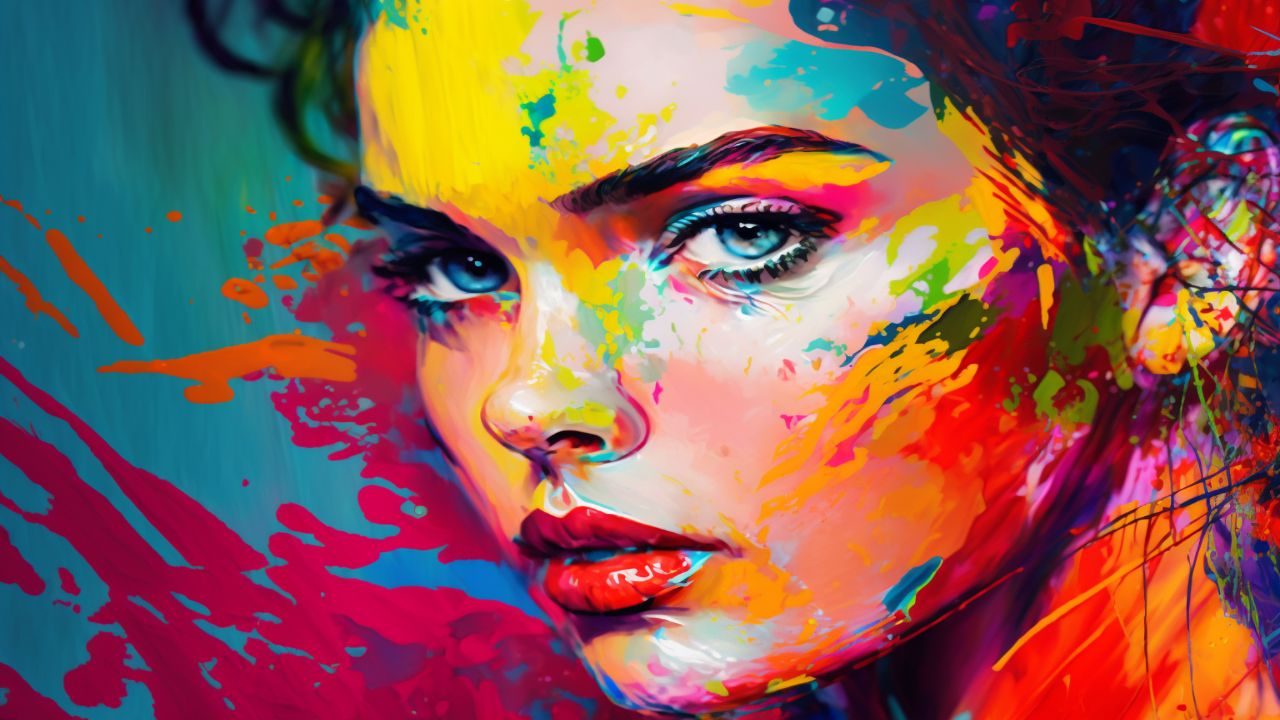
The early 20th century saw photography influenced by modern art movements such as Impressionism, Surrealism, and Abstract Expressionism. Photographers like Man Ray and Ansel Adams pushed the boundaries of the medium, using innovative techniques to create visually striking images. These artists demonstrated that photography could be as expressive and experimental as any other art form. Their work helped to cement the idea that photography belonged in art galleries and museums.
The Rise of Digital Photography
The advent of digital technology revolutionized photography. With digital cameras and editing software, photographers gained unprecedented control over their images. This technological leap made photography more accessible and allowed for new forms of artistic expression. Digital manipulation enabled artists to create surreal and imaginative works that were previously impossible. This era saw a surge in photographic creativity, blurring the lines between reality and art.
Photography in Contemporary Art
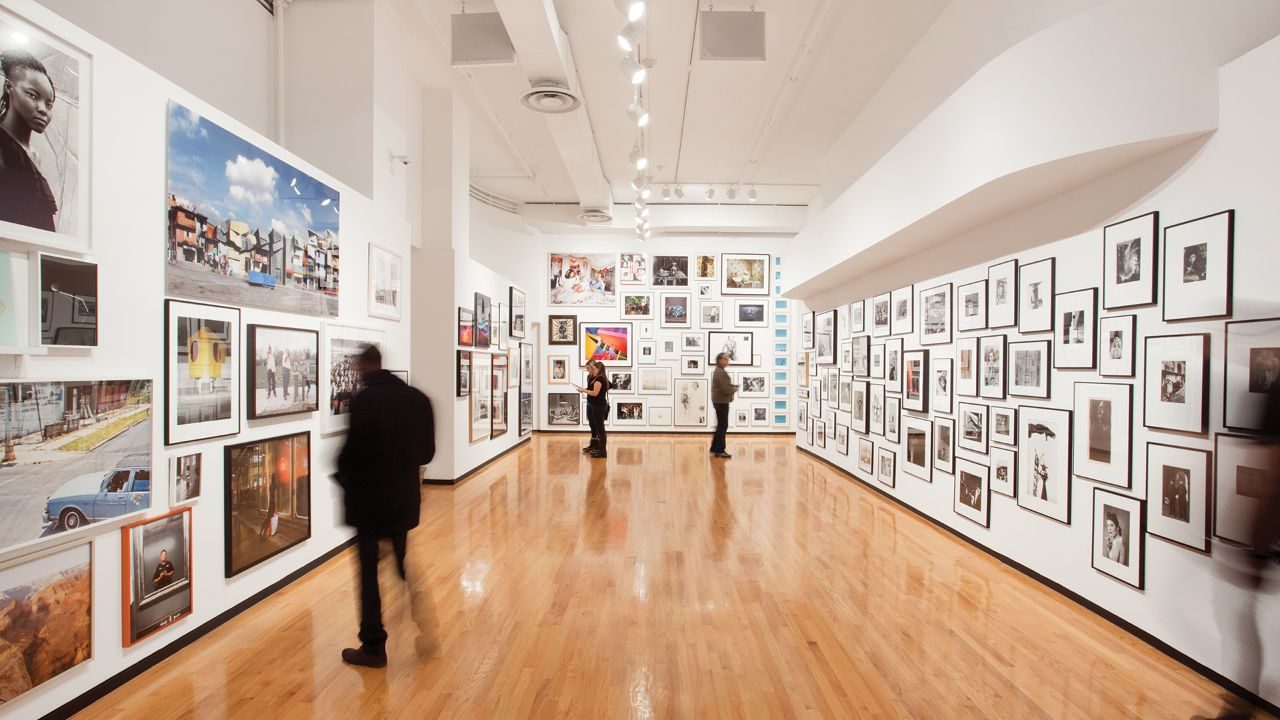
Today, photography is firmly established as a major art form. Contemporary photographers like Cindy Sherman and Andreas Gursky continue to push the medium’s boundaries, exploring themes of identity, culture, and society. Photography now occupies a central place in the art world, featured prominently in exhibitions, galleries, and art fairs. The medium’s versatility and ability to capture both the real and the imagined make it a powerful tool for artists.
The Role of Social Media
Social media has significantly impacted the world of photography, making it more democratic and widespread. Platforms like Instagram and Pinterest have become galleries for amateur and professional photographers alike. This exposure allows photographers to reach a global audience instantly, fostering a vibrant community of creators. Social media has also played a crucial role in discovering and promoting new talent.
Photography’s journey from a technical novelty to a respected art form reflects the changing attitudes and values of society. As photographers continue to innovate and explore new frontiers, the medium will undoubtedly continue to inspire and captivate audiences worldwide.
Leave a Reply