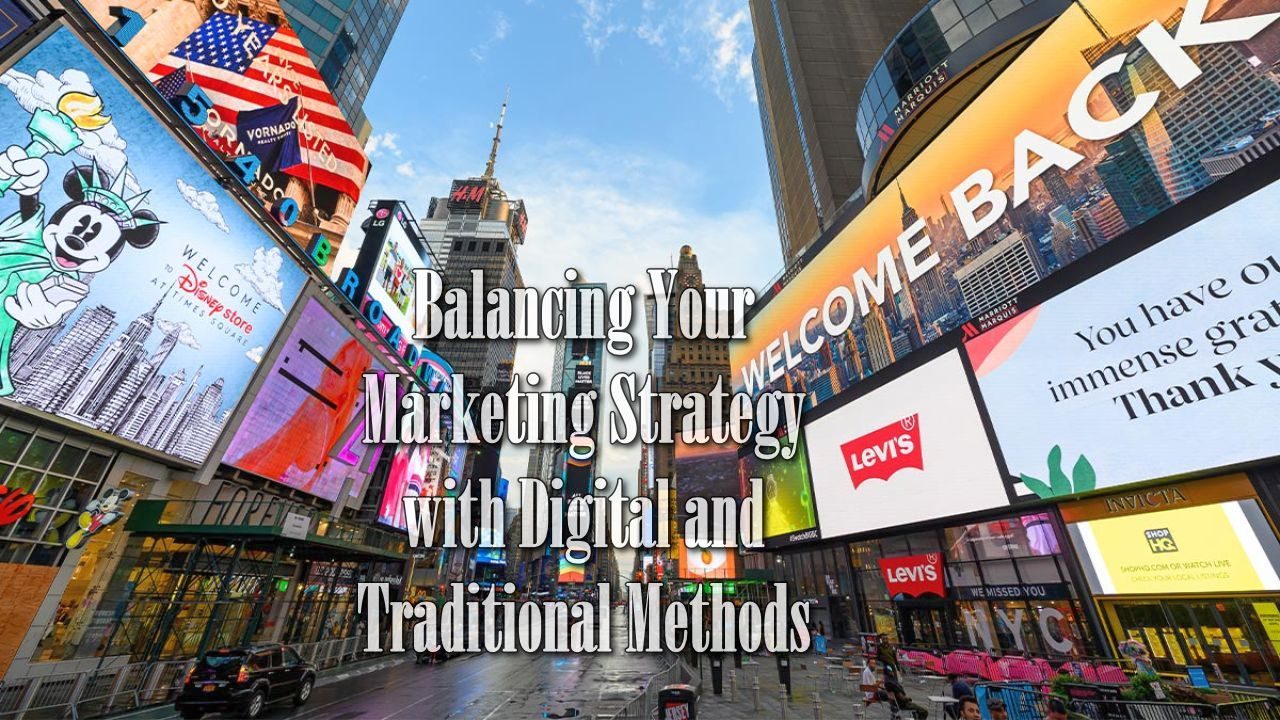
Marketing is always evolving. What worked five years ago might not work today. But one thing remains true—balance is everything. Businesses that find the sweet spot between traditional and digital marketing often reach the widest audience. They build stronger brands and create lasting connections. Start by thinking about what your customers respond to. Some people still enjoy flipping through flyers. Others scroll through Instagram for inspiration. Smart marketing meets your audience where they are. And that means blending both online and offline strategies in the right way.
Think of your marketing strategy like a flag pole truck—the part that keeps everything turning smoothly at the top of the pole. Just like this small but essential tool, the right balance keeps your message moving and visible, no matter the direction of the wind. Without it, even the strongest campaign can lose momentum.
The Power of Traditional Marketing
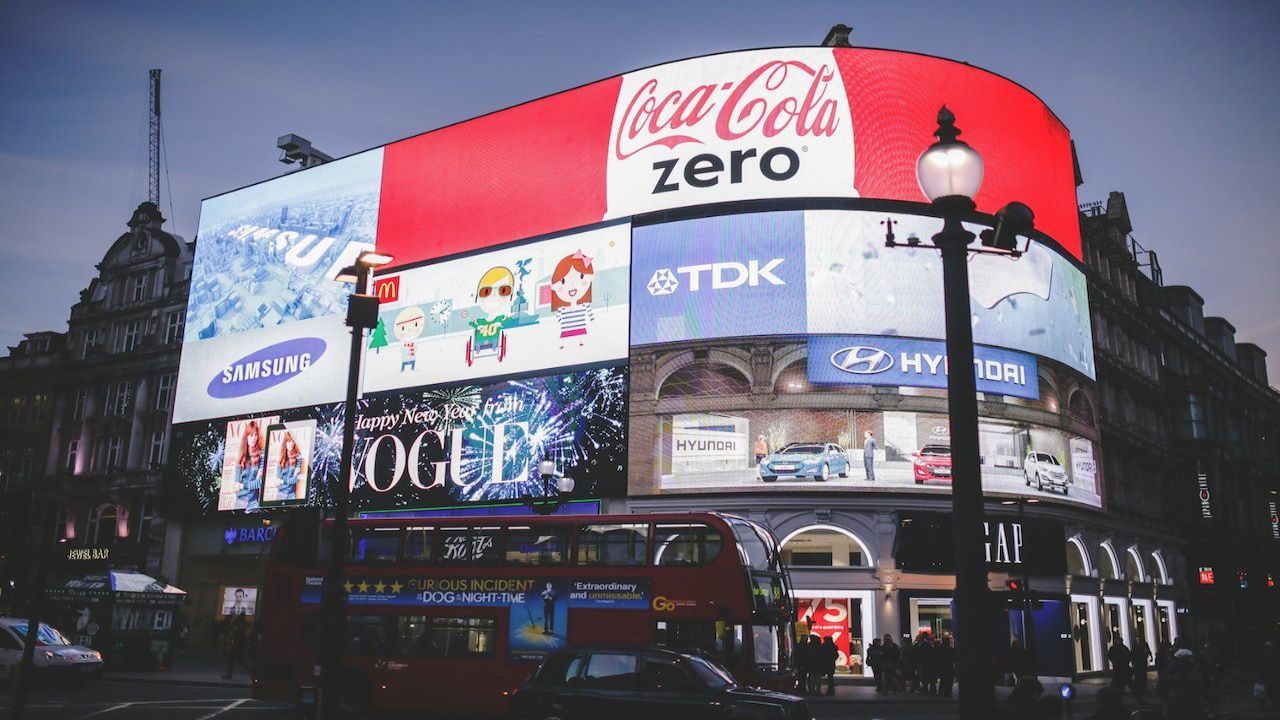
Don’t count out the classics. Print ads, billboards, radio spots, and direct mail still pack a punch. They create a physical presence that’s hard to ignore. Think of a beautifully designed brochure. It lands in someone’s mailbox and sits on their coffee table for days. That’s long-term exposure.
Trade shows and local events also fall into this category. They give you a chance to meet people face-to-face. Shake hands. Make eye contact. For brands that rely on community trust, these moments matter.
Traditional marketing builds familiarity. It sticks in people’s minds. When combined with digital efforts, it can strengthen your entire message.
Where Digital Marketing Shines
On the other side, digital marketing lets you reach people fast. It’s trackable, flexible, and often more affordable. Social media ads, email newsletters, search engine optimization—these tools give you data you can act on in real-time.
With a few clicks, you can test a message, tweak it, and test it again. You can build an audience based on interests, behavior, and demographics. That kind of precision simply isn’t possible with a billboard.
But digital marketing isn’t just about ads. It’s about building relationships. When customers comment on your posts or reply to your emails, they’re engaging with your brand. That interaction helps build loyalty and trust.
The Key: Consistency Across Channels

The goal is to make your message feel seamless. If someone sees your ad in a magazine and then visits your website, the tone, colors, and message should match. That kind of consistency makes you look professional and trustworthy.
Start by creating a core message. Then, adapt it to each platform. Use the same logo and brand voice everywhere. Keep your visuals clean and easy to recognize. You don’t need to be everywhere at once. Pick the channels that fit your business best. Then, focus on doing them well.
Measuring Success and Making Adjustments
Balance doesn’t mean doing 50/50 all the time. It means adjusting based on what’s working. Track your results. Use QR codes on print materials to see who’s scanning them. Monitor your website traffic. Ask customers how they found you. The best marketing strategies are flexible. They evolve with your audience and your goals.
In today’s crowded market, using both digital and traditional methods gives you an edge. One boosts your reach; the other builds trust. When they work together, your brand becomes stronger. So don’t choose one over the other. Choose balance. Choose strategy. And choose a marketing mix that truly works for your business.
Leave a Reply