If you’re scoring a feature film, a documentary, or a game, sound design plays a huge role in your final product. It’s not just about music. It’s about emotion, space, texture, and storytelling. Good sound design can lift a score. Great sound design can make it unforgettable. If you’re ready to level up your work, websites like Master the Score offer hands-on courses built for composers who want to master the tools of sound design fast. Now, let’s dig into six helpful tips that every media composer should know.
Think Like a Filmmaker

Composers often focus on harmony and melody. That’s important. But when it comes to sound design, think visually. Ask yourself: What does the scene feel like? What’s the rhythm of the edit?
Start by spotting the emotional peaks. Build your textures around those. Use drones, risers, or pulses to create mood. Treat each cue like a short film. Your job is to guide the listener’s ear — not just fill the silence.
Build a Custom Sound Library
It’s tempting to rely on presets and pre-made samples. But original sounds give your work character. Start recording your own source material. You don’t need fancy gear — a handheld recorder or even your phone will do.
Capture real-world sounds: doors creaking, wind, footsteps, kitchen tools, old toys. Layer them. Stretch them. Run them through filters. Over time, you’ll have a unique palette that no one else has.
Use Modulation Creatively
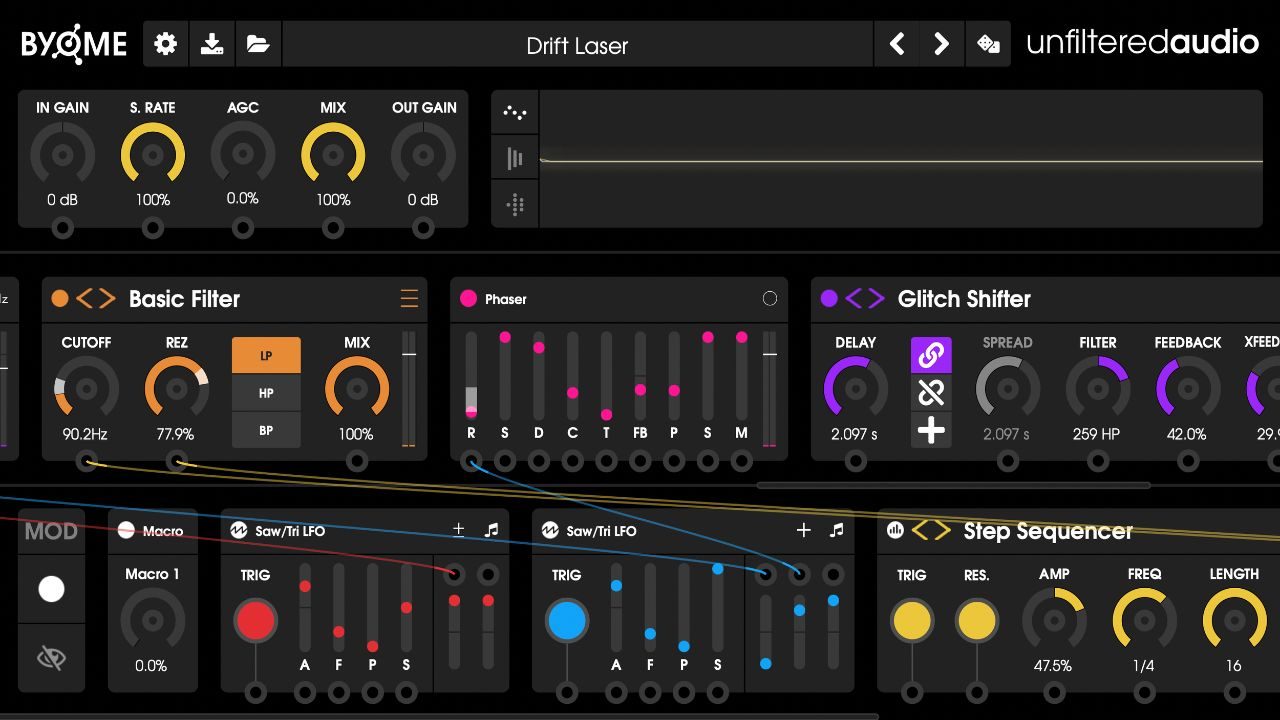
Modulation adds life to static sounds. Try automating pitch, filter cutoff, or pan position. Subtle movement helps a sound evolve over time. It makes drones more interesting and transitions smoother.
LFOs (Low-Frequency Oscillators) are your best friend here. Want a pulsing shimmer? Use an LFO on a filter. Need a breathing effect? Modulate the volume slowly. The goal is motion, not chaos.
Layer for Impact
One sound often isn’t enough. Big cinematic hits, eerie ambiances, or sci-fi textures all rely on layers. Start with a base. Then, add mid-frequency content. Finish with sparkle or low-end weight. A simple “whoosh” could include wind noise, reversed cymbals, a synth sweep, and reverb tails. Each layer has a job. Together, they create impact. Just be careful not to overcrowd your mix.
Know When to Use Silence
Silence is powerful. Don’t be afraid of it. A well-timed pause can heighten suspense or draw attention. In fact, contrast often makes your design more effective. Let sounds breathe. Use space to reset the listener’s ear. Not every second needs to be filled. When used right, silence becomes its own instrument.
Mix with the Picture in Mind

Always design in context. Watch the scene as you work. Your sounds need to sit well under dialogue and effects. They should support, not compete.
Use EQ to carve space. Roll off low frequencies to avoid rumble. Use a reverb that matches the room in the shot. A lush tail might sound beautiful on its own but distracting on screen. And remember: sometimes, realism wins. A dry, close-up sound might work better than a big, wet texture.
Final Thoughts
Sound design isn’t just for electronic producers. It’s a vital skill for modern media composers. With some creativity and a few smart techniques, you can add depth, emotion, and polish to every cue.
Leave a Reply