There’s something powerful about a single image that can speak louder than a thousand words. A portrait that tells a life story. A landscape that feels like a quiet breath. You see it often now, in galleries, museums, books. But photography didn’t always enjoy this kind of recognition. In the early days, it was treated more like a mechanical trick than a form of creative expression. Even today, some might look at a photograph and ask, “Where’s the art in that?” Yet the shift has happened, and one click of the shutter can now carry as much emotional and aesthetic weight as a brushstroke. Spend a day with a professional photographer Brooklyn NY based, and you’ll quickly realize photography is anything but passive.
The journey from tool to art form was a slow one, shaped by many hands and minds across centuries. Photography began as documentation, used in science, news, and family albums. But over time, it became clear that the choices behind the lens—what to frame, how to light, when to capture—were deeply personal and expressive. Now, it’s not just about preserving a moment. It’s about interpretation. Emotion. Imagination. The world saw something change, and photography quietly stepped into the realm of art.
The Invention Was Technical, But the Vision Was Human
When the first photographs were created in the 1800s, people were amazed by their clarity and detail. It was a marvel of science. Daguerreotypes, calotypes, glass plates, it all felt like magic. But in those early years, photography was seen as a craft or a scientific record-keeper. People used it to document buildings, portraits, or natural wonders. The focus was on accuracy.
Still, even in those carefully staged portraits or landscapes, something started to show. Choices. The tilt of the head. The light falling just so. A subtle blur that made the image feel like memory. That’s when artists, painters, writers, and dreamers began to take notice. They saw in photography what they had always chased in other mediums: a way to tell stories, to stir emotions, to see the world differently.
Artists Took the Camera into Their Own Hands
By the late 19th century, painters were experimenting with cameras. Some used them to study composition or capture light. Others, like Julia Margaret Cameron, used them to make art directly. Her portraits were soft, dreamy, and emotional—quite different from the formal styles of the time. She wasn’t trying to show people exactly as they were. She wanted to show what they felt like.
Around the same time, a movement called Pictorialism took root. These photographers used blurs, textures, and dramatic lighting to make their images feel more like paintings. They weren’t copying reality. They were shaping it. Editing it. Turning photography into something expressive. That’s when critics started using the word “art.”
The Debate: Is This Really Art?
For decades, photography lived in a kind of creative limbo. Was it art? Or just technology? Painters and sculptors often dismissed it. Too easy, they said. Too fast. Where was the effort? But photographers pushed back, arguing that effort isn’t always about time. It’s about intention.
What makes an image powerful isn’t just the scene itself. It’s how someone sees it. How they choose to show it. That’s where artistry lives. Slowly, critics began to accept that artistry could live in the camera too, not just in the studio or on the canvas.
Photography and Modern Art Grew Together
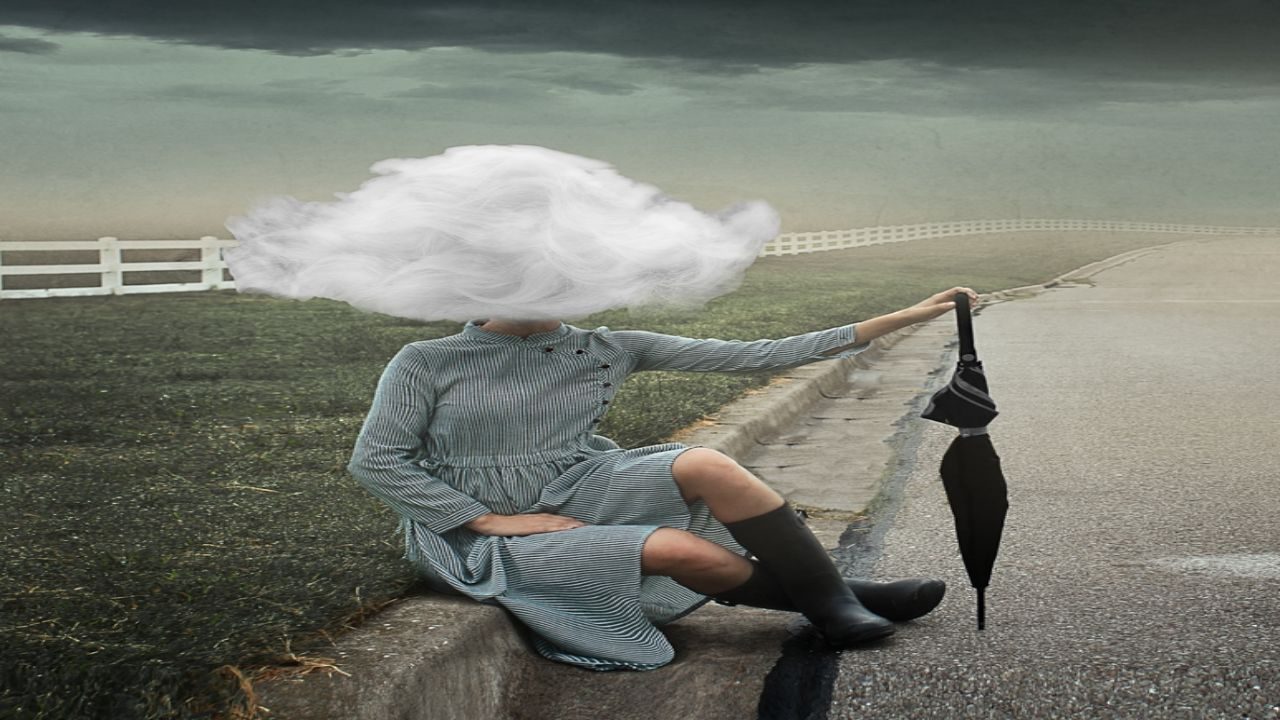
As the 20th century unfolded, art itself began to break its own rules. Movements like Surrealism, Dada, and Minimalism challenged old ideas. Photography fit perfectly into this shift. It didn’t need to follow tradition. It could be strange, experimental, bold.
Artists like Man Ray used photography to distort and reimagine. Diane Arbus turned her camera toward the unusual and unseen. Gordon Parks captured social struggles with clarity and heart. Suddenly, photography wasn’t just accepted as art; it became essential to the modern art conversation. Museums began to collect it. Exhibitions began to feature it. The question was no longer “is this art?” but “what is this saying?”
Digital Changed the Tools, Not the Soul
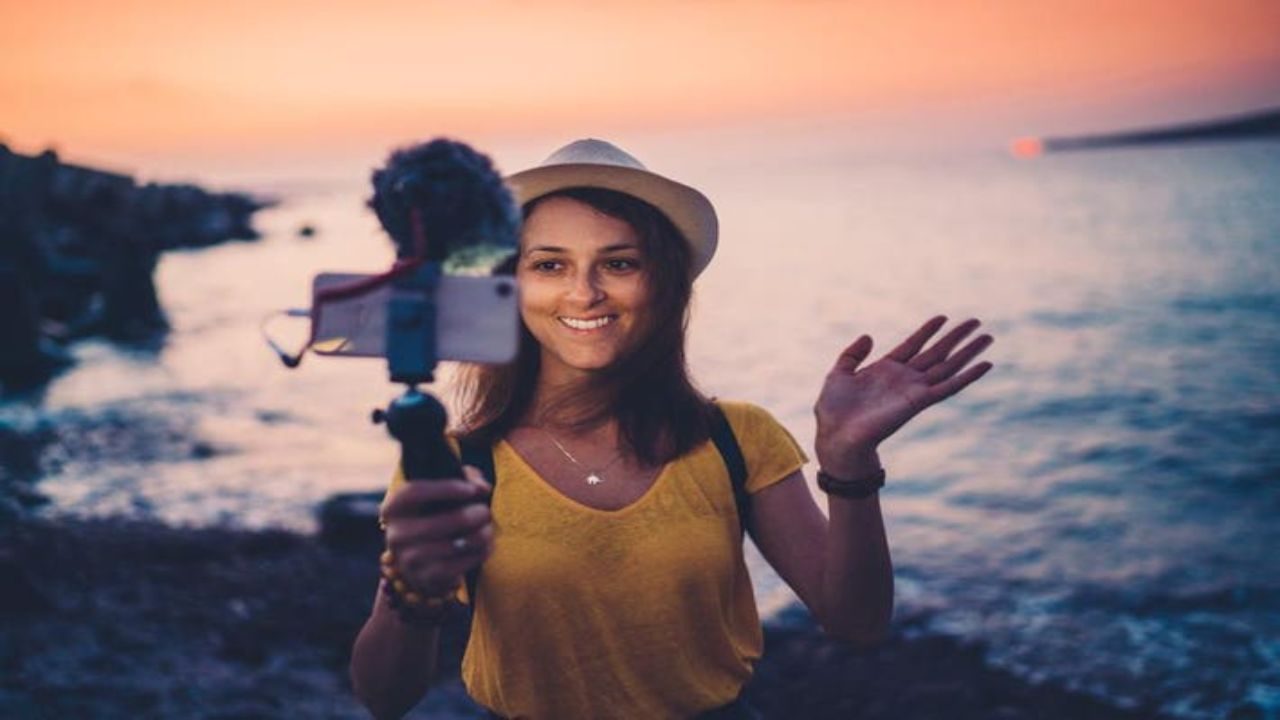
With digital cameras and editing software, photography became more accessible. Anyone with a phone could take a photo. But just because something is easier doesn’t mean it’s lesser. In fact, the digital age opened up new ways to be creative.
Now, photographers can experiment more freely. They can break old rules, invent new ones, and share their work instantly. Filters, color grading, cropping, and layering—these aren’t just gimmicks. They’re tools. Just like a brush or a chisel. The digital age didn’t dilute photography. It expanded it.
Photography in the Art World Today
Walk into any major gallery or museum today, and you’ll find photographs next to paintings and sculptures. Photography is now studied, collected, critiqued, and celebrated. The best photo artists aren’t just good with a camera. They’re deep thinkers. Observers. Storytellers.
From fashion to street scenes, from personal memories to global events, photography continues to evolve. But its power lies in one simple truth: how we see the world changes when someone helps us look a little closer.
Leave a Reply